Looking for somewhere different in 2027? These lesser-known destinations offer spectacular landscapes, authentic experiences and a chance to discover the world before the crowds arrive.
For years, the travel wish list has been dominated by the same familiar names: Paris, Bali, Santorini, Dubai, Iceland. But as overtourism becomes an increasingly important issue, travellers are beginning to look beyond the obvious.
The result is a new appetite for places that still feel authentic – destinations where you can walk through a mountain village without following a stream of tour groups, discover spectacular landscapes far from the Instagram hotspots, or experience local culture without feeling that it has been packaged for tourism.
That shift is already being reflected in the travel trade. Intrepid Travel and travel trend agency Globetrender have identified ten lesser-known destinations for 2027 as part of their annual Not Hot List. Their selection focuses on places that remain relatively under-visited but have the infrastructure, new connections or tourism initiatives to welcome more travellers.
Here are ten destinations worth putting on your radar for 2027.
1. Samburu National Reserve, Kenya
A wilder alternative to Kenya’s famous safari parks
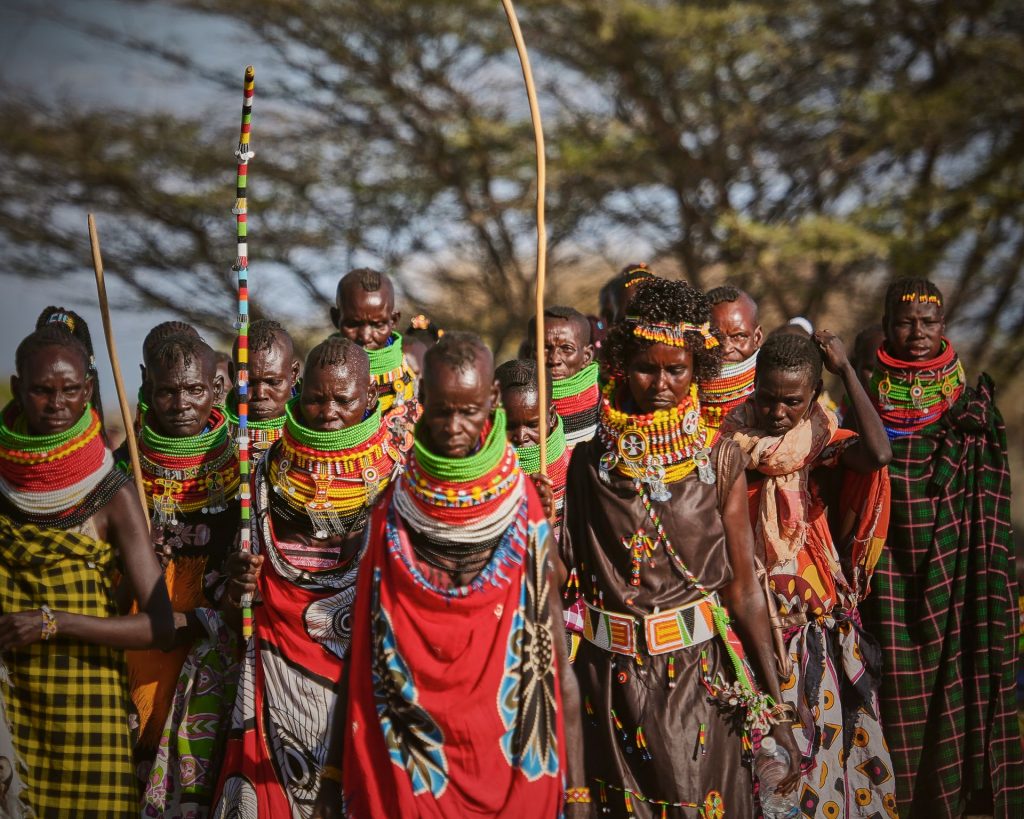
Kenya is synonymous with safari, but most international visitors head straight for the country’s best-known parks. Further north, Samburu National Reserve offers a very different experience.
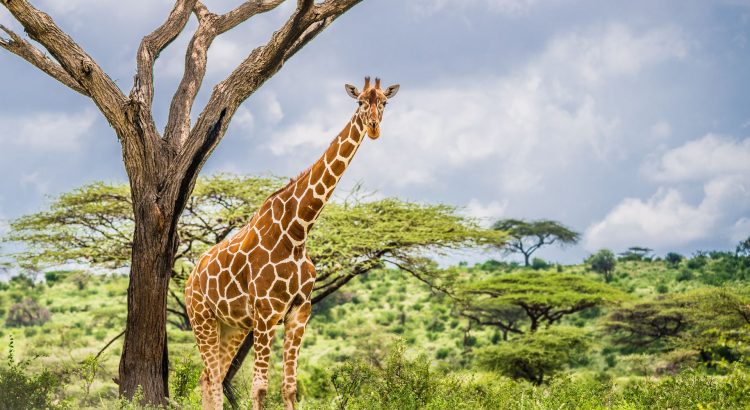
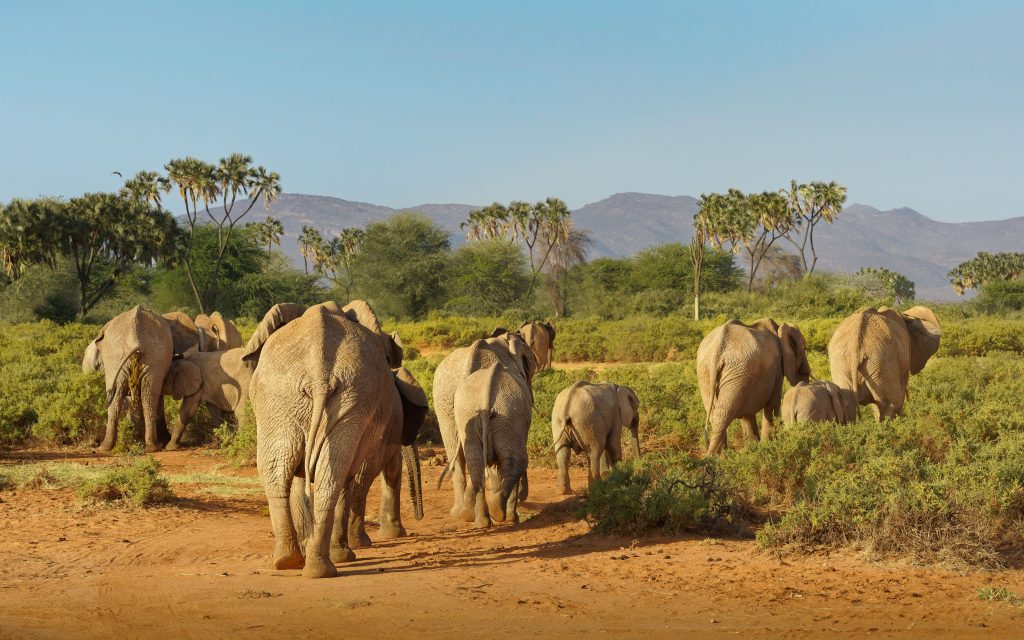
The reserve sits on the banks of the Ewaso Nyiro River and is particularly known for its distinctive dryland wildlife. Among its highlights are the so-called Samburu Special Five: Grevy’s zebra, reticulated giraffe, gerenuk, Beisa oryx and Somali ostrich. Lions, leopards, cheetahs and elephants can also be found here.
What makes Samburu particularly interesting for 2027 is not simply its wildlife. It represents a broader move towards spreading tourism beyond Kenya’s busiest safari destinations and ensuring that the benefits of tourism reach local communities.
For travellers, that can mean something increasingly valuable: a safari experience that feels more remote and less crowded.
2. Mestia, Georgia
Mountains, medieval villages and the Caucasus without the crowds
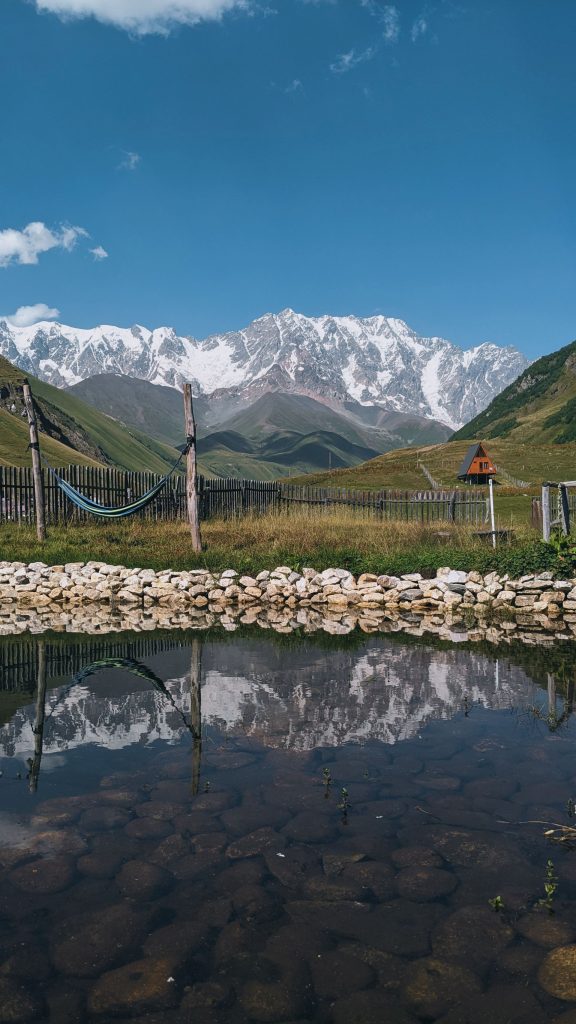
Hidden in Georgia’s spectacular Svaneti region, Mestia is surrounded by some of the most dramatic mountain scenery in the Caucasus.
The town combines medieval defensive towers and traditional Svan architecture with serious outdoor adventure. Hiking, mountain climbing, paragliding and skiing are all possible, while the nearby Hatsvali and Tetnuldi resorts offer winter sports.
But Mestia isn’t only about adventure. Its historic churches, fortifications and cultural traditions offer a glimpse into one of Georgia’s most distinctive regions.
With investment helping to develop the destination as a year-round tourism hub, Mestia could become increasingly accessible to international travellers in the coming years — making 2027 a particularly interesting time to see it before it becomes a household name.
3. The Northern Highlands, Jordan
The green side of Jordan
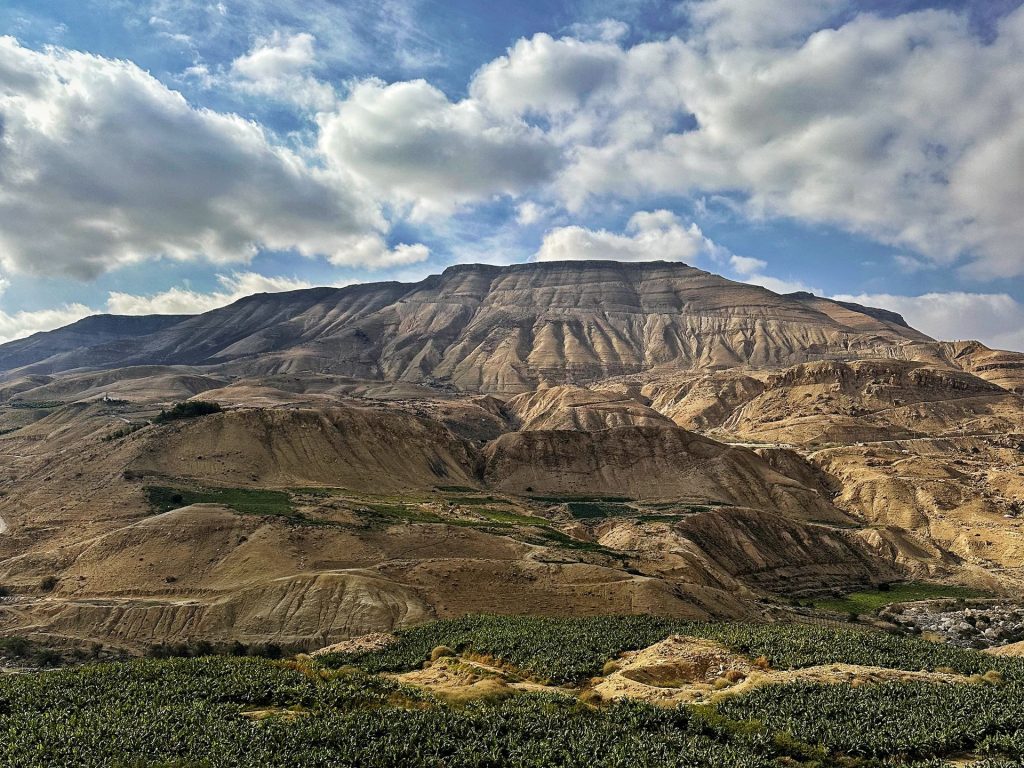
Jordan is usually associated with Petra, Wadi Rum and the desert. But head north and the landscape changes dramatically.
The Northern Highlands around Ajloun reveal a greener, more forested side of the country, with rolling hills, pine forests, historic villages and mountain landscapes.
Ajloun itself is home to the imposing Ajloun Castle, built in the 12th century, while the surrounding Ajloun-Dibbine area is known for its forests and natural landscapes.
The region is also part of Jordan’s effort to diversify tourism beyond its internationally famous attractions. Intrepid highlights locally owned guesthouses, family dining experiences and forest trekking as some of the ways travellers can experience northern Jordan.
For anyone who thinks they already know Jordan, the Northern Highlands offer a reason to look again.
4. Whitehorse, Yukon, Canada
Where wilderness meets First Nations culture
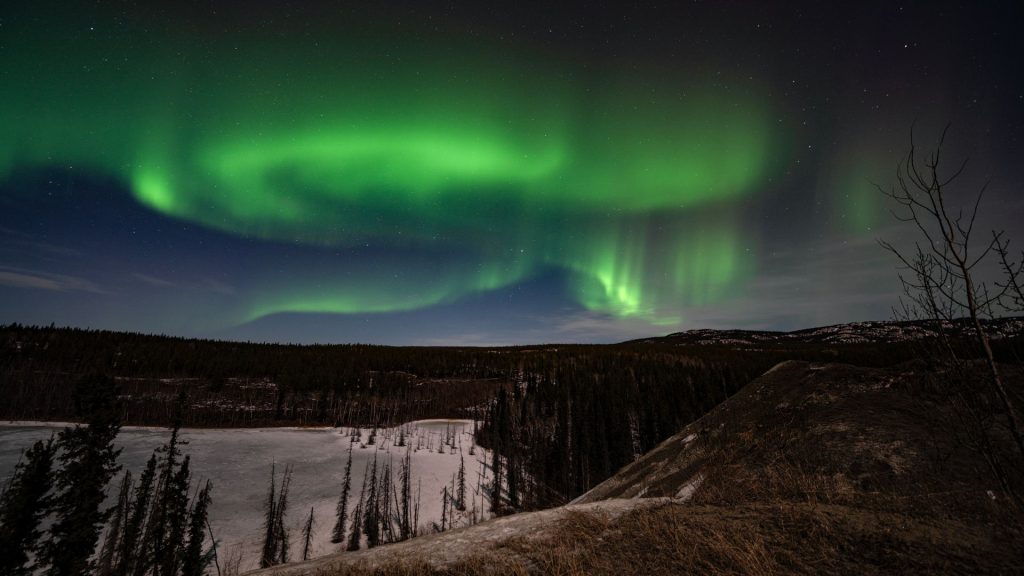
Canada’s Yukon territory has always attracted adventurous travellers, but Whitehorse is increasingly becoming a destination in its own right.
The territory’s capital provides access to vast wilderness, wildlife and northern landscapes, while new tourism initiatives are putting greater emphasis on community-led cultural experiences and Yukon First Nations history.
For travellers, Whitehorse offers the possibility of combining outdoor adventure with a deeper understanding of the people and cultures that have shaped the region.
It is also a destination that feels genuinely different from Canada’s better-known cities and national parks — particularly for travellers looking for Arctic experiences without heading to the farthest reaches of the north.
Intrepid has identified Whitehorse as one of its 2027 emerging destinations, pointing to a new Arctic tourism initiative centred on culture, wildlife and adventure.
5. Alonnisos, Greece
The Greek island that still feels like a secret
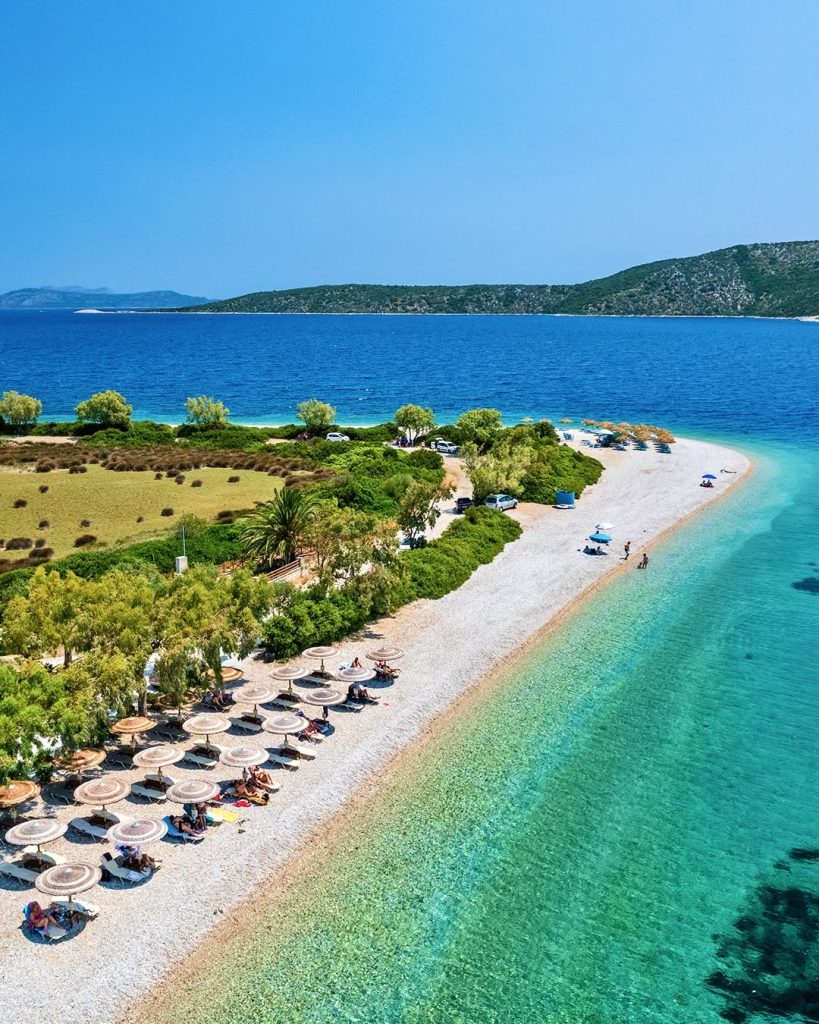
Greece is hardly an undiscovered destination. Santorini, Mykonos and Crete attract millions of visitors, but there are still islands where life moves at a considerably slower pace.
Alonnisos, in the Northern Sporades, is one of them.
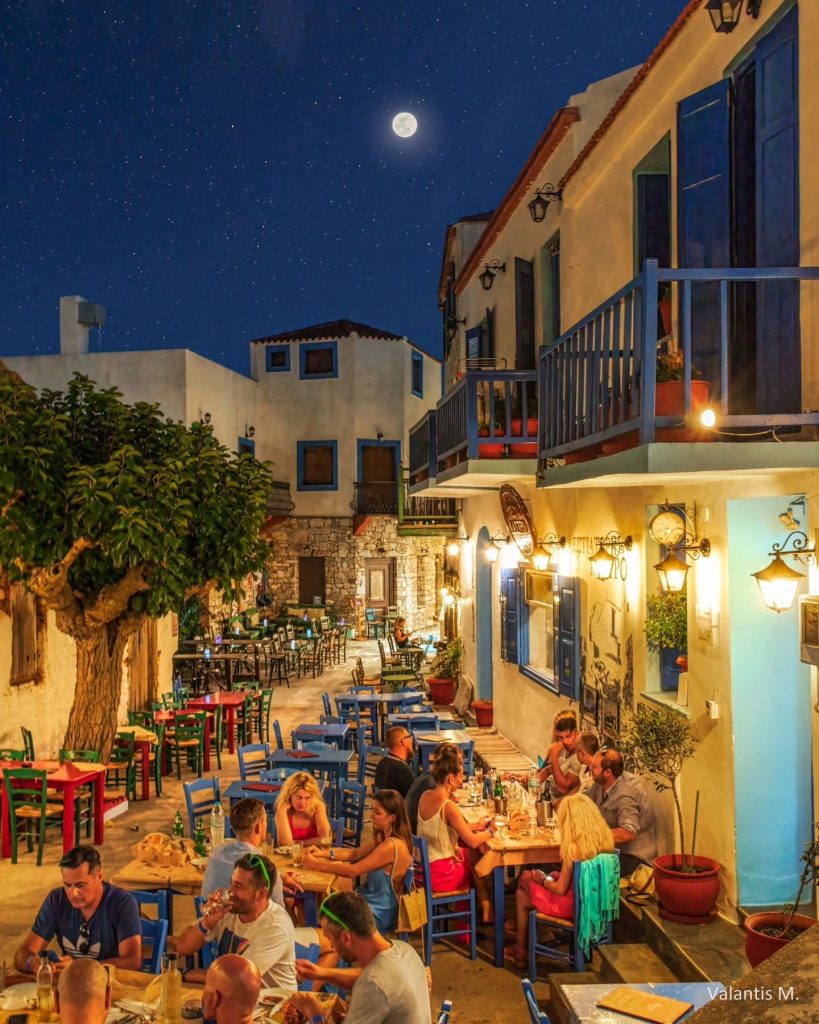
The island combines pine-covered hills, secluded coves, traditional villages and clear Aegean waters. Hiking trails cross the interior, while the historic old town of Chora sits above the sea with traditional stone houses and narrow lanes.
Its greatest natural asset, however, lies beneath and around the water. Alonnisos is home to the National Marine Park of Alonnisos and Northern Sporades, established to protect marine and terrestrial ecosystems, including the endangered Mediterranean monk seal.
For travellers searching for a quieter Greek island – and a holiday with a strong connection to nature – Alonnisos offers a compelling alternative to the country’s better-known hotspots.
6. Dili, Timor-Leste
Southeast Asia’s next frontier?
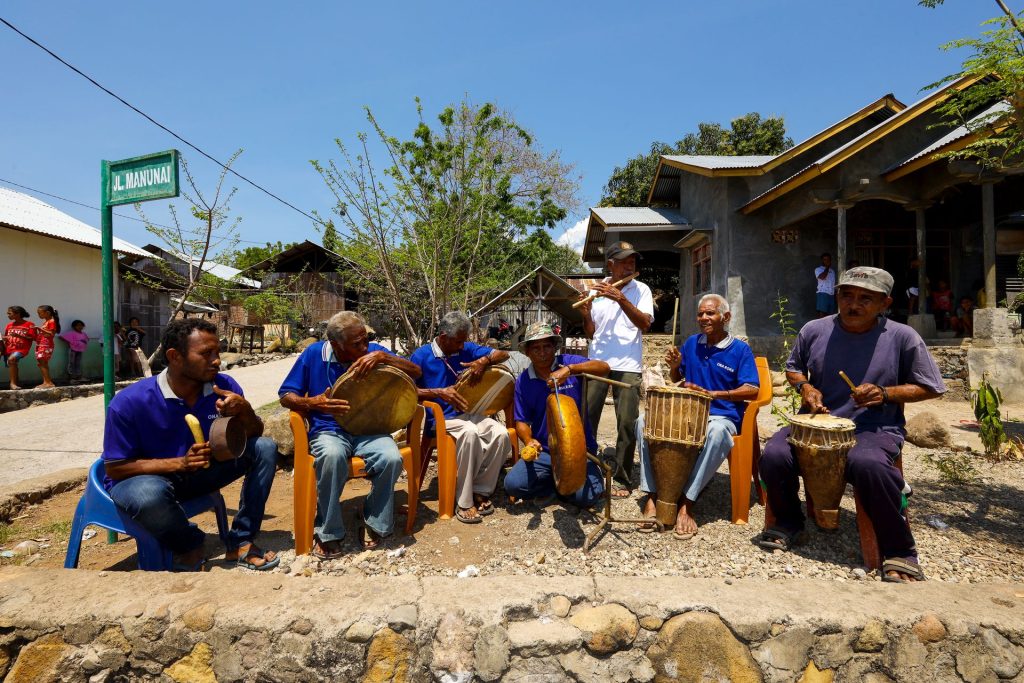
Few destinations on this list feel as genuinely undiscovered as Dili, the capital of Timor-Leste.
This young nation occupies the eastern half of Timor island and remains one of Southeast Asia’s least-visited countries. That is precisely what makes it so intriguing for adventurous travellers.
Here, the experience is less polished and more pioneering. Mountains rise behind the capital, coral reefs and clear waters make the coastline attractive for diving and snorkelling, while the country’s history and distinctive culture add another layer to the experience.
Accessibility is also changing. In June 2026, Aero Dili launched a new twice-weekly direct service between Darwin and Dili, strengthening the country’s international air connections.
Intrepid describes tourism in Timor-Leste as still very much in its early stages, while highlighting the country’s new air connections and combination of culture and outdoor adventure.
For travellers who want to discover somewhere before mass tourism arrives, Dili may be one of the most intriguing names to watch for 2027.
7. The Pekoe Trail, Sri Lanka
A different way to discover Sri Lanka
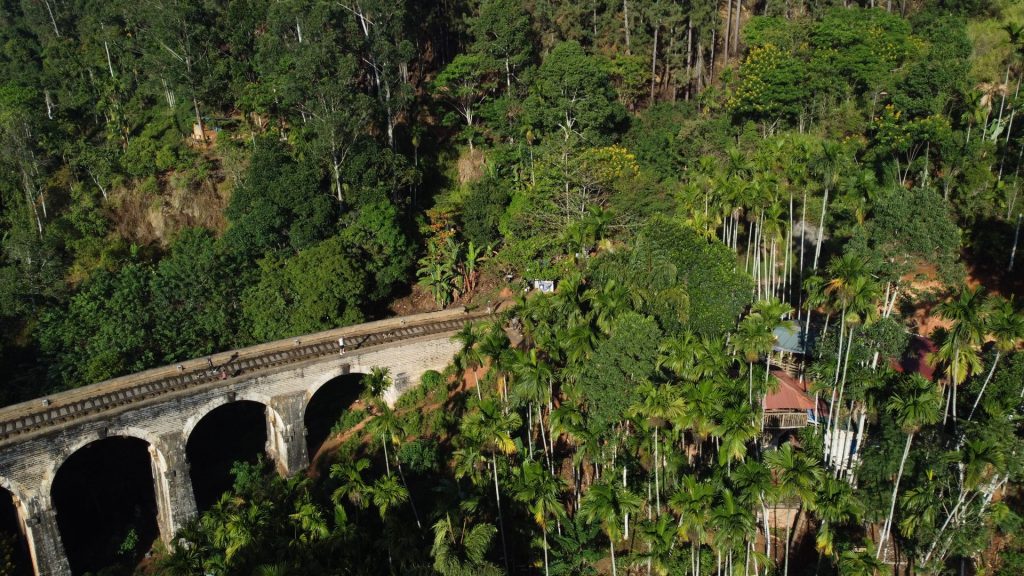
Sri Lanka is no secret. Its beaches, wildlife and ancient cities have long attracted international travellers.
But the Pekoe Trail offers a completely different way to experience the island.
Stretching for more than 300 kilometres across Sri Lanka’s central highlands, the trail is divided into 22 stages and passes through tea country, forests, mountains, villages and historic landscapes.
Rather than moving rapidly between the country’s headline attractions, walkers experience the landscape at a slower pace — travelling through tea estates, rural communities and hill-country scenery.
It is also an example of how creating a new tourism product can help distribute visitors beyond the country’s traditional hotspots.
With new flights, eased visa arrangements and growing interest in walking holidays, Sri Lanka’s tea country could become one of the more interesting adventure-travel stories of 2027.
8. Liepāja, Latvia
Europe’s next cultural city break
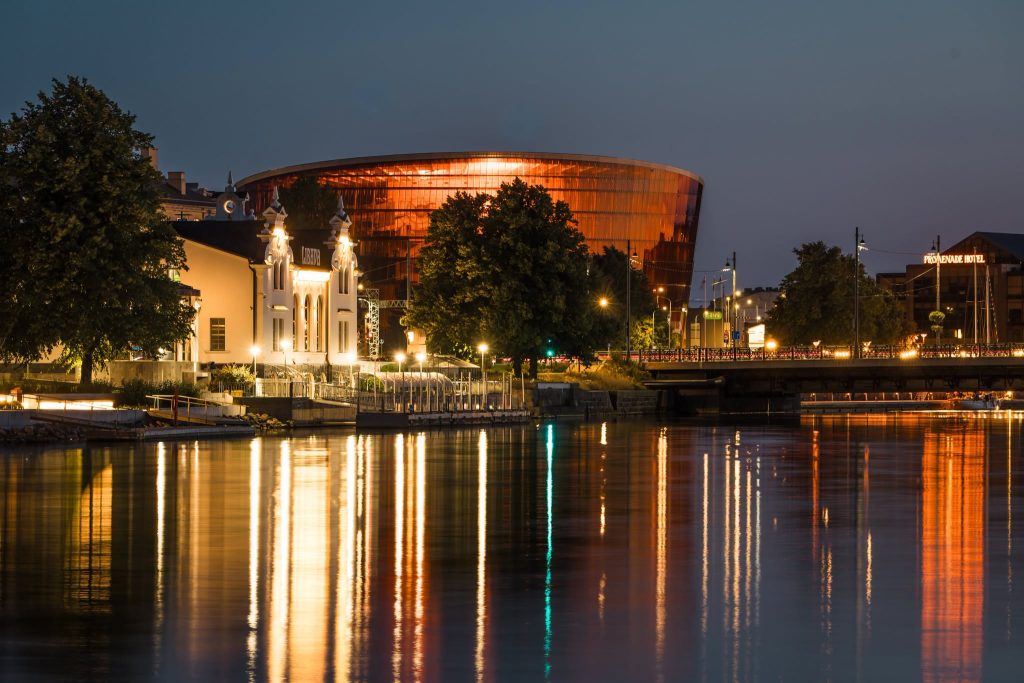
On Latvia’s Baltic coast, Liepāja is preparing for a very important year.
In 2027, the city will become a European Capital of Culture, alongside Évora in Portugal.
Liepāja combines a long sandy coastline with historic architecture, a distinctive musical heritage and a growing contemporary cultural scene.
Its 2027 programme is built around the theme „(un)rest”, with events and projects designed to connect the city and surrounding region with wider European cultural life.
That makes 2027 particularly timely for a visit. Instead of discovering Liepāja simply as another Baltic seaside city, travellers will encounter it during a year when the destination is placing culture firmly at the centre of its international identity.
For a European city break with beaches, culture and fewer crowds than the continent’s famous capitals, Liepāja deserves attention.
9. Carretera Austral, Chile
Patagonia’s road less travelled
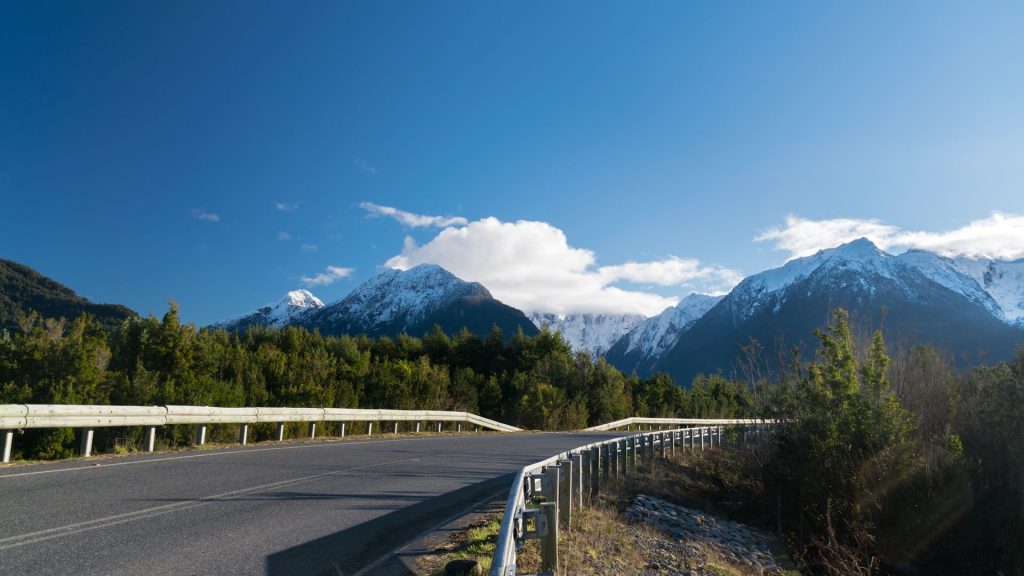
Patagonia has become one of the world’s great adventure destinations. But even here, there are still ways to escape the familiar routes.
The Carretera Austral, Chile’s legendary Route 7, runs for more than 1,200 kilometres through Patagonia, linking forests, mountains, rivers, lakes, glaciers and remote communities.
This isn’t a conventional sightseeing road trip. It is an expedition-style journey through some of the most spectacular landscapes in South America.
Along the route are opportunities for hiking, kayaking, wildlife watching, mountain adventures and exploring national parks.
For travellers who have already considered Patagonia but want something more adventurous and less predictable, the Carretera Austral offers a completely different perspective on the region.
10. Dalsland, Sweden
Sweden’s quiet lake district
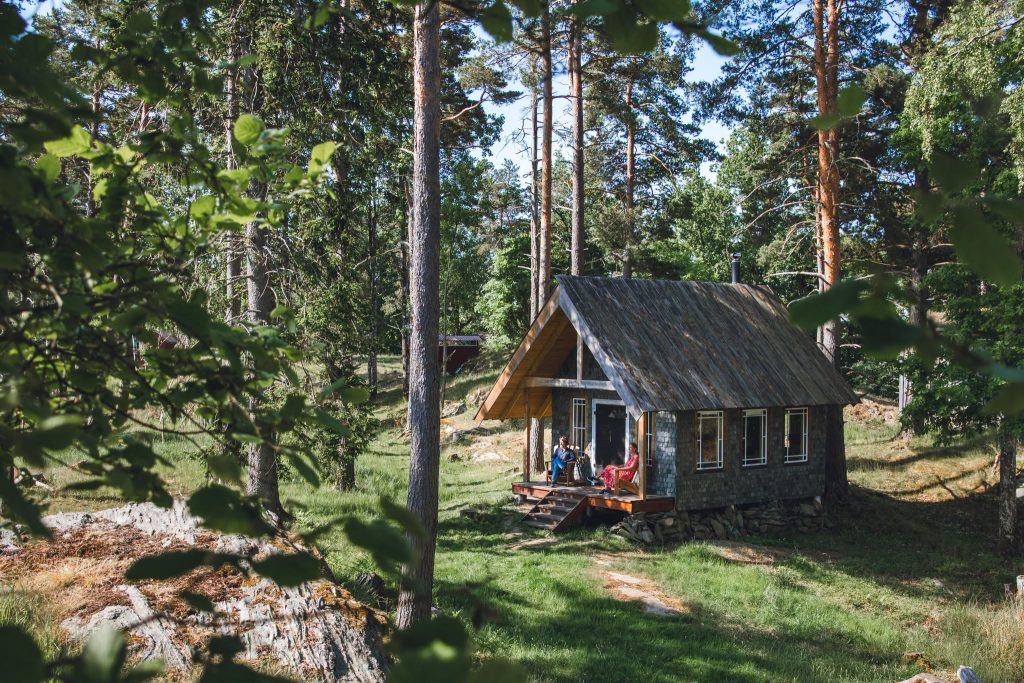
The final destination is perhaps the least obvious of them all.
Dalsland, in western Sweden, is a landscape of forests, lakes, waterways and small communities. Visit Sweden describes the region as „Sweden in miniature”, with extensive opportunities for hiking, canoeing, cycling and other outdoor activities.
The Dalsland Canal is one of the area’s defining features, while the 100-kilometre Pilgrim Trail passes through forests, lakes and historic landscapes.
What makes Dalsland especially appealing for 2027 is that it offers something many travellers increasingly value: space.
Rather than chasing Sweden’s major cities or famous attractions, visitors can slow down, paddle across a lake, cycle through the countryside or simply spend a few days surrounded by wilderness.